
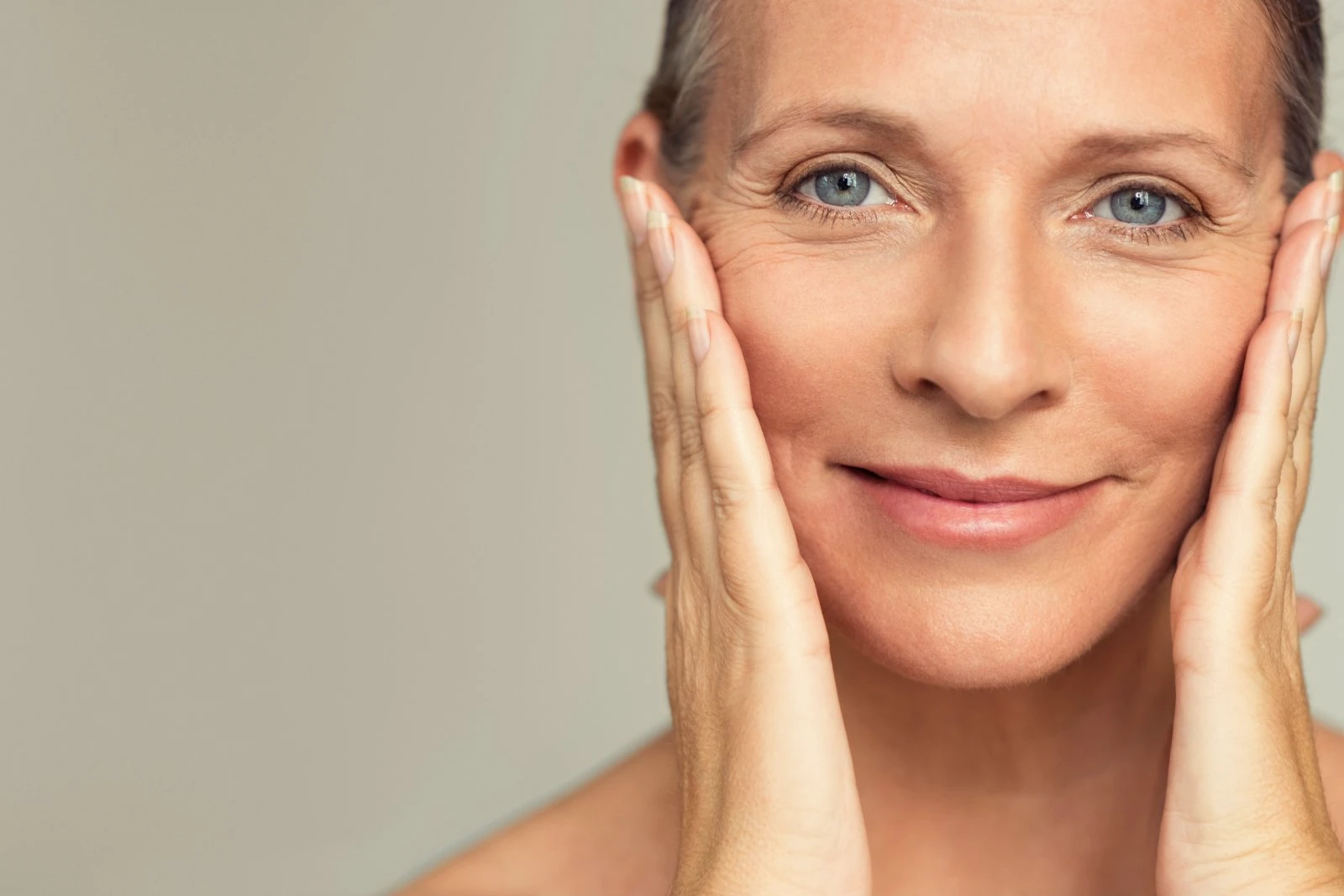
Skin Laxity and Facial SaggingNewstead, Brisbane
Body Dezign House is a doctor-led clinic in Newstead, Brisbane. Skin laxity is rarely just a skin problem. The change starts deeper, and earlier, than most people realise. Collagen and elastin thin, the fat pads soften, and the layers that hold everything up slowly lose their grip. At our Newstead clinic, every consultation is guided by your anatomy. We look at each layer in turn, with no obligation to go ahead.
Skin Laxity and Facial Sagging in Brisbane: At a Glance
Body Dezign House is a cosmetic medicine clinic in Newstead, Brisbane, led by Dr Fatemeh Asadi, MD, FRACGP. This page explains skin laxity and facial sagging for patients in Brisbane and describes how a face and neck consultation is approached, layer by layer, at the Newstead clinic.
A skin laxity assessment in Brisbane is guided by your anatomy and carries no obligation to proceed. People attend the Newstead rooms from across Brisbane, including New Farm, Teneriffe, Fortitude Valley, Hamilton and Ascot. The Newstead clinic is the only Body Dezign House location in Brisbane.
Options that may be discussed in Brisbane include energy-based skin tightening, thread procedures, and dermal skin treatments. When laxity is better suited to surgery, the Brisbane consultation includes an honest referral for surgical opinion. All thread procedures at the Newstead clinic are performed personally by Dr Asadi. Individual results vary.
To arrange a skin laxity consultation in Brisbane, contact the Newstead clinic on (07) 3250 0101. Body Dezign House, Unit 3, 104 Breakfast Creek Road, Newstead QLD 4006, Brisbane.
What looks like loose skin almost never lives in the skin alone. We look at the skin, the fat, the muscle layer beneath, the ligaments, and the bone before we decide what is even possible. Sometimes the answer is a gentle, layered approach over time. Sometimes the honest answer is a referral to a surgeon, because the skin has stretched so far that only surgery will look natural.Dr Fatemeh Asadi, MD, FRACGP
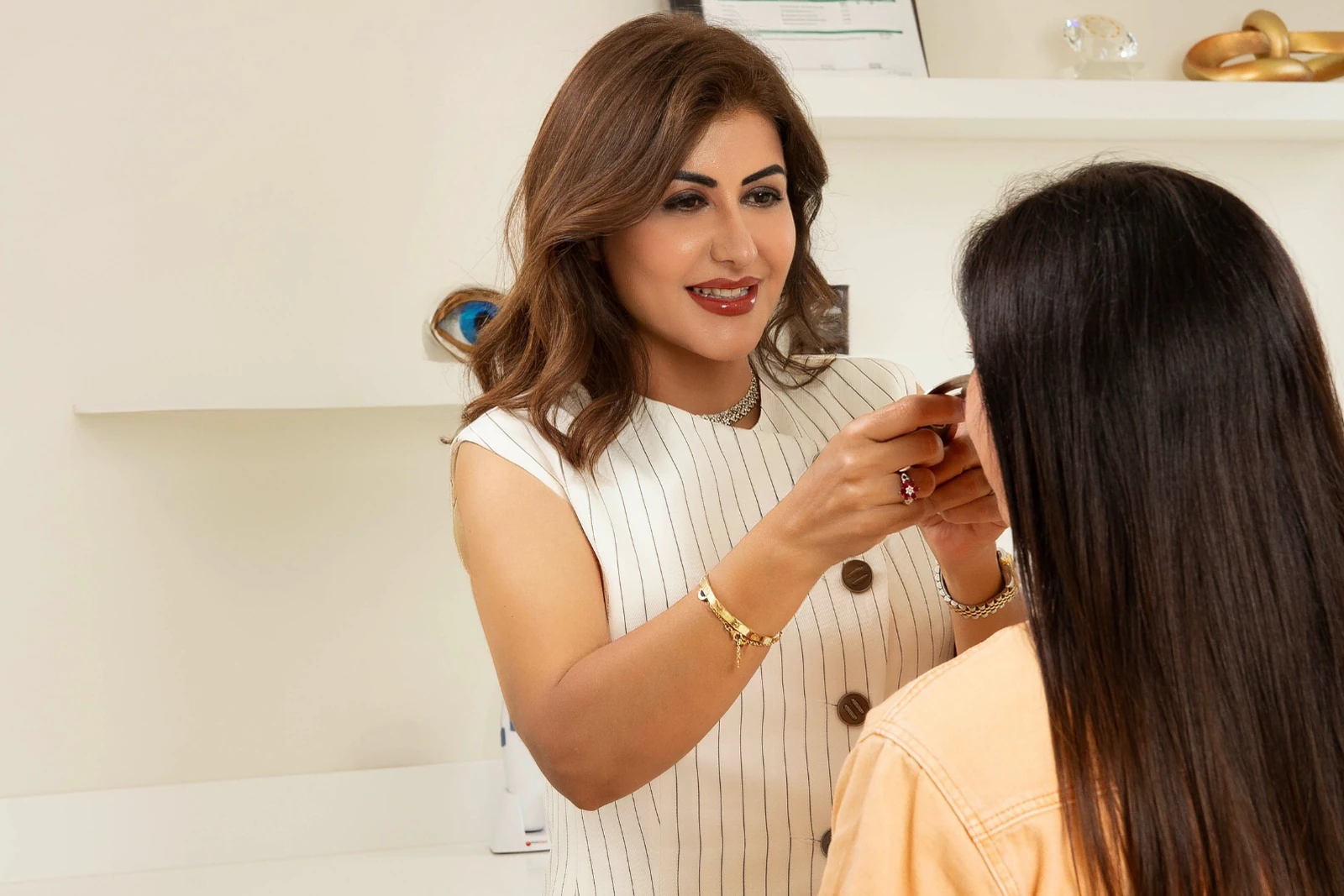
Dr Fatemeh Asadi, MD, FRACGP brings two decades in cosmetic medicine and general practice to every consultation. She is a Key Opinion Leader for Merz Aesthetics and an Official Trainer for Aptos Threads. This reflects her ongoing role in cosmetic medicine education, including attending national and international conferences, training other doctors and nurses, and contributing her clinical knowledge to the wider medical aesthetics community.
At Body Dezign House in Newstead, the consultation starts by working out which layer is doing what. The plan, if there is one, follows from that. Sometimes the priority is skin quality, sometimes the deeper support, and sometimes the honest answer is a referral for a surgical opinion. It depends on what your face is actually doing. The plan is built around your anatomy, not a fixed menu. Aptos thread lifts, and how laxity relates to marionette lines, are often part of the same conversation.
Areas Commonly
Assessed
Six things matter when we assess laxity. None of them tells the whole story on its own. Together, they explain why two people with the same complaint can need very different approaches.
Skin Quality
& Dermal Health
The dermis, the living layer beneath the surface, holds your collagen, elastin, and the molecules that keep skin plump and hydrated. As it thins, the surface can start to look crepey or fragile rather than firm. Sun damage speeds this up, often more than age alone, which is why your sun history matters as much as your age. We look at texture, firmness, hydration, and sun damage together.
Fat Pad Position
& Volume
The face holds several fat pads, some near the surface and some deeper down. Over time the surface pads shrink and the deeper ones slip lower, while the collagen and elastin in the skin thin at the same time. So what looks like loose skin in the lower face is usually a mix of flattened fat, thinner skin, and gentle sagging, rather than one single change.
SMAS Tone
& Soft Tissue Support
Beneath the skin and fat is a continuous sheet of muscle and tissue, called the SMAS, that runs from the forehead down into the neck. As it loosens, everything it supports settles lower. We assess it by watching your face at rest and seeing how the tissues respond when they are gently lifted.
Bone Foundation
& Facial Skeleton
Your jaw, cheekbones, and the bone around the mouth are the frame everything else sits on. Bone slowly thins over the decades, and as the frame shrinks, the soft tissue above it has less to drape over. We look at the lower face, the cheek area, and the chin as part of the same picture.
Neck and Platysma
Behaviour
The flat sheet of muscle across the front of the neck, the platysma, loses tone over time. In some people it forms vertical cords or bands when the neck is at rest. The angle between the chin and neck can soften, and the skin can stretch. The neck is its own conversation, separate from the face, and sometimes it needs a different answer. We look at the bands, any loose skin, fullness under the chin, and the line of the neck at rest.
Retaining Ligaments
& Descent Patterns
Small ligaments anchor the soft tissue to the bone at fixed points. As they loosen, the tissue between them sags into familiar patterns: a jowl forming along the jaw, or a hollow deepening under the eye, in what is often called the tear trough. Reading where things have settled tells us which anchor has given way.
Skin that once sat firm starts to shift, even when the face is still. What looks like loose skin is usually a few things happening at once: the collagen thinning, the fat underneath flattening, and the muscle layer below losing its tone. A good consultation looks at each one separately, and is honest about when surgery is the right next step.Dr Fatemeh Asadi MD, FRACGP · GP & Cosmetic Physician
Your Consultation
in Brisbane
Your consultation at our Brisbane clinic starts with a conversation about your concerns and what you would like to achieve. We review your medical history, carefully assess the face and neck, and use VISIA skin analysis where appropriate to gain a better understanding of your skin's condition. We then explain our findings, discuss the treatment options that may be suitable for you, and answer your questions so you have a clear understanding of the benefits, possible risks, and alternatives before deciding whether to proceed. Risks & Complications →
Listening
Assessment
Options
Treatments We
May Discuss
The treatments listed here are examples of what may be considered. They are not a treatment plan and do not mean you will need all of them. Your recommendation may include one option, a combination, or a different approach altogether after your skin has been properly assessed at our Brisbane clinic.
Aptos Thread Lifts
Fine threads placed under the skin to support and gently lift tissue that has dropped, while encouraging collagen along the way. Dr Asadi is an Official Trainer for Aptos Threads.
Ultherapy
An ultrasound device that sends focused energy into the deeper layers of the skin and the support layer beneath, to encourage gradual tightening. We use it for face and neck laxity where the deeper support, rather than the surface, is the priority.
Morpheus 8
Radiofrequency microneedling that delivers warmth to the deeper skin through tiny channels, to encourage firming over time. It suits laxity that comes with skin quality and texture concerns as well.
Forma
Radiofrequency that warms the skin evenly without breaking the surface. It is more of a maintenance treatment, often used alongside others as part of a longer-term plan.
Microneedling
Tiny controlled pin-pricks to the skin that prompt it to make fresh collagen and elastin as it heals. We use it where skin quality, fine texture, and crepiness are the issue, rather than deeper sagging.
Rejuran
A skin-repair treatment that works in the skin itself rather than lifting it. It supports the skin where collagen and elastin have thinned. We often pair it with energy or thread treatments for the face and neck when skin quality is part of the picture.
PRX-Plus
A treatment applied to the surface that works on the skin without breaking it. Useful for skin quality, especially where the skin is thinning but the deeper support is still holding up well.
CO2 Laser Resurfacing
CO2 Laser Resurfacing may suit laxity that comes with surface concerns such as fine lines, rough texture, or thinning skin. Whether it suits you depends on your skin type, your concern, how much downtime works for you, and a medical assessment. We decide that at your consultation.
Collagen Treatment
When the skin has thinned and collagen has dropped off over the years, this is one of the treatments we may talk through. It works gradually, over months rather than days. Whether it suits you, and the areas, order, and timing involved, is only decided at a full consultation.
All cosmetic procedures carry some risk and possible side effects. Whether a treatment suits you, what might rule it out, and the full range of possible complications are all discussed at your consultation. Individual results vary, and no outcome can be guaranteed. Read about Risks & Complications →
A few questions
before a consultation?
If you would rather talk to our team before booking, we are happy to take a thoughtful phone call. No pressure, no obligation. Just a conversation.
Frequently
Asked
Sometimes the skin has stretched so far that it will not draw back on its own. Sometimes there are strong cords in the neck along with loose neck skin. And sometimes the sagging sits deeper than threads or energy treatments can reach. In those cases, the honest answer is a referral for a surgical opinion. These treatments have a limit. We will tell you plainly when you have reached it, or when a facelift or neck lift was always going to be the right answer. We make that decision together, with your interests in mind. Individual results vary.
Laxity comes from changes in several layers at once. The collagen and elastin in the skin slowly thin. The fat pads beneath the skin flatten and slip lower. The support layer of muscle and tissue, the SMAS, loses tone. The ligaments that anchor the tissue to the bone loosen. And the bone underneath slowly thins. Sun exposure, smoking, big weight changes, and the hormone shift around menopause all speed this up. What looks like loose skin is usually the sum of small changes across every layer.
The face and neck age on slightly different timelines. The muscle across the front of the neck loses tone on its own schedule, and neck skin is thinner than the skin above it and often carries more sun damage. So people often notice change in the neck before the face, or the other way around. Treating one and not the other can leave an obvious mismatch. The face reads as a whole, so we always look at both, even if only one is bothering you today.
No treatment stops the body from ageing. Your genes, gravity, the sun, hormones, and the slow shift of the layers beneath the skin all keep working. So most treatment plans are about maintenance: a first run of treatments to firm things up, then less frequent visits to hold the result. What that looks like depends on where we started and what you are happy to keep up. Individual results vary.
It depends a lot on the treatment. PRX-Plus and Forma involve almost no downtime. Microneedling usually leaves you a little red for a day. Morpheus 8 and Rejuran can mean a few days of mild swelling and tiny marks. Thread treatments can bring some soreness, possible bruising, and a list of things to avoid while you heal. Numbing cream, cooling, and a calm, unhurried approach keep it comfortable. If you feel anxious about clinical treatments, please tell us at your consultation, and we will adjust things to suit you.
Because laxity sits across several layers at once, one treatment usually only reaches one of them. Pairing a few, for example energy for the deeper support, threads to reposition, and surface work for skin quality, often looks more natural, because each layer gets attention in proportion. Whether that makes sense for you, in what order, and how far apart, is decided in person at your consultation, based on what your assessment shows. Individual results vary.
All cosmetic treatments carry some risk, including bruising, swelling, unevenness, infection, effects on blood vessels, and a result you are not happy with. The risks depend on the treatment, and we explain them in full at your consultation and again on the day. You can read more on our Risks & Complications page. Individual results vary.

Dr Fatemeh Asadi MD, FRACGP
GP & Cosmetic Physician · Founder, Body Dezign House
Ready for a
Consultation or Treatment?
Book a time with Dr Asadi or her team at our Newstead clinic in Brisbane. New here? Begin with a consultation. Already consulted, or following a treatment plan you've discussed? Book your next session, or reach out with any other enquiry.