
This page explains collagen loss and loose skin, assessed at Body Dezign House in Newstead, Brisbane. It describes how the collagen in your skin changes with age and sun exposure, how an assessment guided by your anatomy works, and the careful, individual options discussed at a consultation. It is general information, not medical advice. Individual results vary.
Reviewed by Dr Fatemeh Asadi, MD, FRACGP, GP & Cosmetic Physician, AHPRA MED0000975343. Last reviewed 25 May 2026.
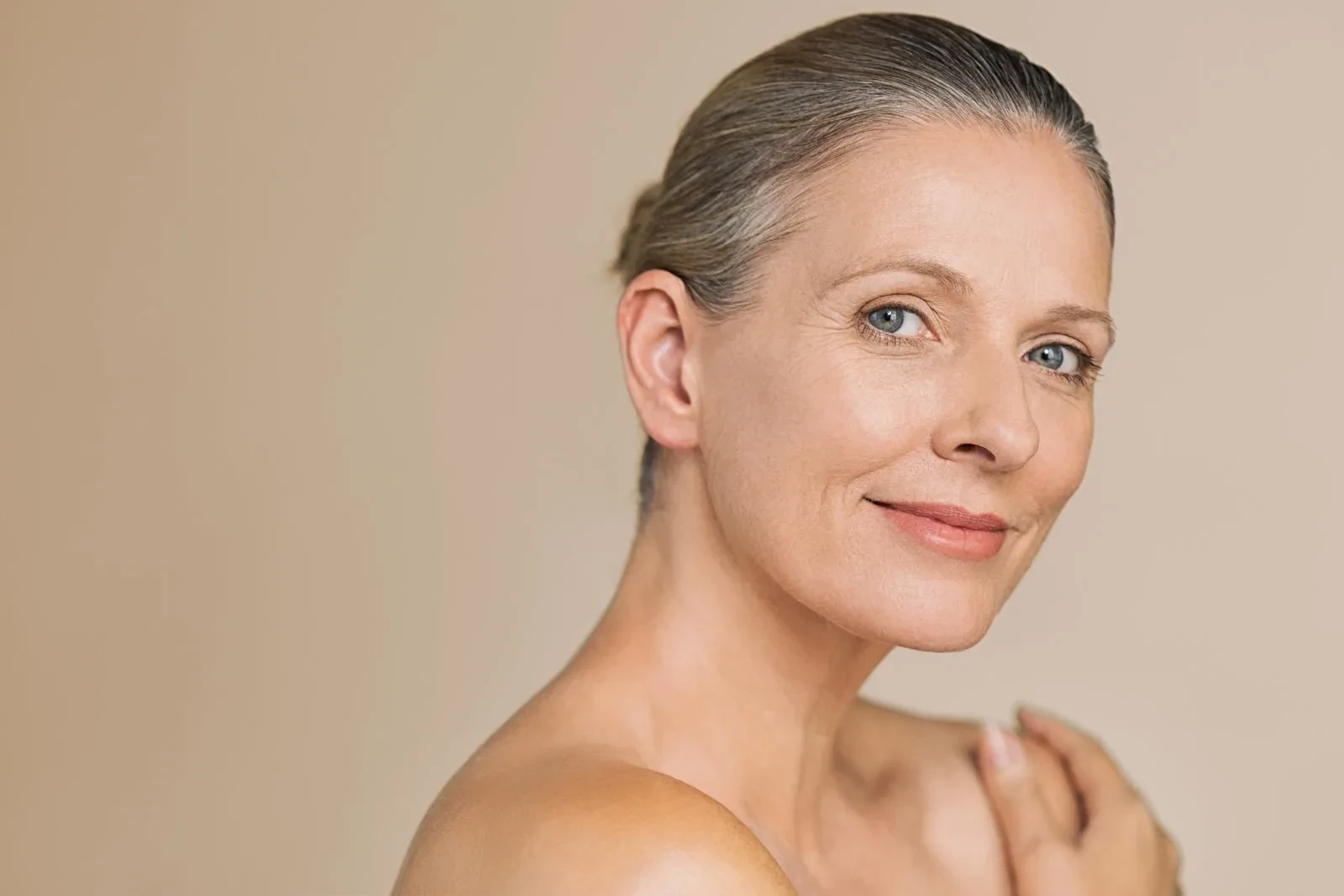
Collagen & Loose SkinNewstead, Brisbane
Body Dezign House is a doctor-led clinic in Newstead, Brisbane. Collagen is the protein that keeps skin firm and lets it bounce back. As you get older, the deeper layer of your skin gets thinner and makes less collagen. The face and neck soften, fine lines deepen, and the skin does not spring back the way it used to. Every consultation here is guided by your own skin and looks at the whole picture.
Collagen is the framework of the skin, not the surface. By the time you can see the skin loosen, the deeper layer has been changing quietly for years. The question I ask is not how much we can restore, but what your skin can hold, and how quickly. Sometimes the honest answer is that surgery is the right tool. Other times, careful, gradual work over a sensible stretch of time will serve you better.Dr Fatemeh Asadi, MD, FRACGP
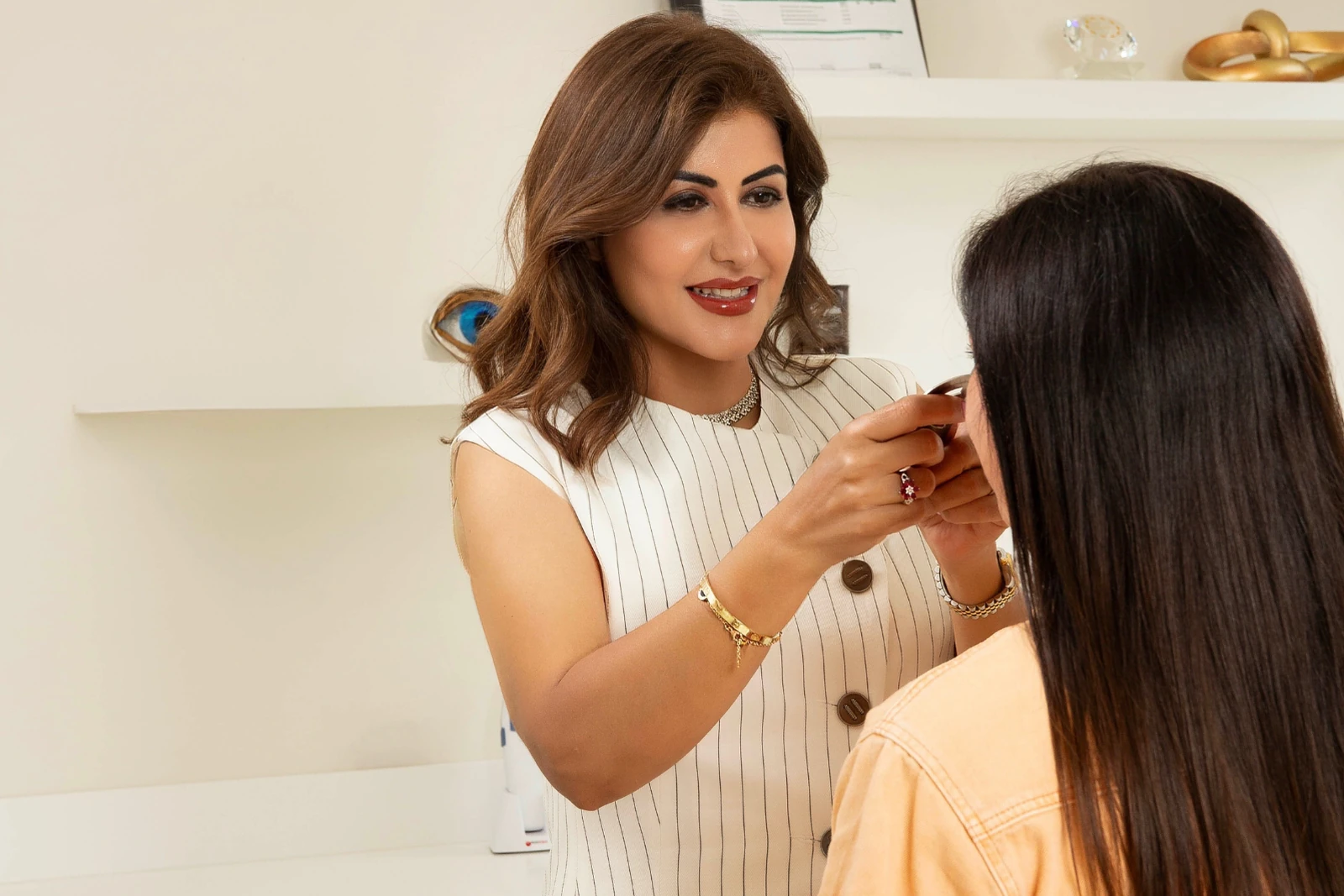
Dr Fatemeh Asadi, MD, FRACGP brings two decades in cosmetic medicine and general practice to every consultation. She is a Key Opinion Leader for Merz Aesthetics and an Official Trainer for Aptos Threads. This reflects her ongoing role in cosmetic medicine education, including attending national and international conferences, training other doctors and nurses, and contributing her clinical knowledge to the wider medical aesthetics community.
Our approach to collagen loss is careful and honest. We look at how your skin, the volume underneath, the bone support, and the way your skin sits on its frame all work together. Some people do well with treatments that gently stimulate the skin over a series of visits. Others are better helped by surgery, and that is the honest answer when it applies. The aim is to match the approach to your anatomy, not the other way around.
Areas Commonly
Assessed
At your consultation we look at more than the surface. We read six things, and each one shapes how your collagen loss shows and what can sensibly be done about it. Every assessment at our Brisbane clinic starts with your anatomy, not with a treatment.
Skin Quality
& Skin Pinch Test
The first thing we look at is how your skin behaves under gentle pressure. A small pinch and release shows how quickly it springs back, which tells us how much stretch is left in the skin. We also check how thick the skin is, the texture, and the fine lines that stay when your face is relaxed. These signs reflect what is happening deeper down, not just on the surface.
Distribution
& Pattern
Collagen loss rarely shows evenly across the face and neck. We map where it shows most: the upper cheek, the line of the jaw, under the chin, the front of the neck. The pattern matters. Skin that has slipped on an angle calls for a different conversation than skin that has dropped straight down.
Underlying Volume
& Fat Pockets
Under the skin, the face is supported by separate pads of fat. As they shift and shrink with age, the skin above has less support, and what looks like loose skin is sometimes a loss of volume underneath. Telling the two apart changes the plan.
Bone Scaffold
& Foundation
Your skin sits on a frame of bone that quietly changes with age. The jaw thins, the mid-face draws back, and the bone around the eyes thins too. When the frame underneath shifts, the skin and tissue above it have less to hold their shape. Reading the bone helps us understand why your skin looks the way it does today.
Sun History
& Cumulative Damage
Most of what people think of as ageing skin is actually sun damage. Years of UV break down collagen and elastin in the skin, leaving crepey texture, uneven colour, and faster loosening. We compare sun-exposed areas, like the face, neck, and upper chest, with protected ones, like the inner upper arm or the skin behind the ear. The difference tells us how much is sun damage and how much is simply age, and that helps us see which approaches are likely to help.
Hormonal Context
& Where Relevant
Skin responds to oestrogen, and oestrogen supports the cells that make collagen. Around perimenopause and menopause, many women notice a clear change in their skin that goes beyond age alone. Where this matters for you, we will raise it openly.
Skin that once bounced back now takes a moment longer to settle. What looks like surface texture or early loosening is usually deeper than that: collagen and elastin slowly thinning from the mid-twenties, sun speeding it up, and the skin losing the support that once held everything in place. A good consultation reads each layer on its own. And it is honest about what a treatment can really help and what sits beyond its reach.Dr Fatemeh Asadi MD, FRACGP · GP & Cosmetic Physician
Your Consultation
in Brisbane
Your consultation at our Brisbane clinic is unhurried and personal. We listen first, assess properly, and talk through the options honestly. There is no pressure, no rush, and no obligation to go ahead at any point.
Every consultation is guided by your anatomy and kept private. We talk through the risks and the alternatives in full before any treatment is considered. Risks & Complications →
Listening
Assessment
Options
Treatments We
May Discuss
The treatments listed here are examples of what may be considered. They are not a treatment plan and do not mean you will need all of them. Your recommendation may include one option, a combination, or a different approach altogether after your skin has been properly assessed at our Brisbane clinic.
Morpheus 8
Pairs radiofrequency energy with microneedling to help the deeper skin rebuild. Worth discussing for loose skin, skin thickness, texture, and overall quality across the face and neck.
Vivace RF Microneedling
Microneedling with radiofrequency energy, working in the deeper layer of the skin. May suit skin quality, firmness, and texture.
Ultherapy
Focused ultrasound that reaches the deeper layers below the skin. May suit loose skin and support in the lower face and neck. A separate consultation is needed.
CO2 Laser Resurfacing
May suit collagen loss that comes with texture, fine lines, or skin-quality changes, where appropriate. Whether it suits you depends on your skin type, your concern, how much downtime you can take, and a medical assessment.
CoolPeel CO2 Laser
A lighter resurfacing option with less downtime, which may suit you if recovery time matters. We can discuss it for surface-level collagen support and skin quality. Whether it suits you is assessed at your consultation.
Healthy skin relies on a few things working together: collagen for structure, elastin for stretch and bounce, and the molecules that hold water in the skin. Over time, all of these drop off. Regenerative treatments help your own skin cells rebuild what has been lost, slowly and over a series of visits. What we discuss at your consultation is matched to your skin and what it needs now.
PRP
Uses growth factors from your own blood to support skin renewal and the cells that build collagen. May be discussed alongside other options for skin quality, texture, and freshness.
Exosome Therapy
Natural signals that encourage the skin's repair cells and its own renewal. May suit skin quality, recovery, and freshness.
Skin Boosters
Hydrating treatments based on hyaluronic acid that help the skin hold water and improve quality. May suit thinning, dryness, and texture across the face and neck.
Rejuran
A skin booster based on polynucleotides that supports the skin's own repair. May be discussed for skin quality and the surface signs of ageing.
Healite II
LED light therapy that supports the skin's repair cells and natural recovery. May be discussed alongside other options for skin quality, texture, and recovery after a treatment.
Aptos Thread Lifts
A gentle lifting treatment that uses fine threads to support and lift soft tissue across the lower face and neck. Dr Asadi is an Official Trainer for Aptos Threads.
All cosmetic procedures carry some risk and possible side effects. Whether a treatment suits you, what might rule it out, and the full range of possible complications are all discussed at your consultation. Individual results vary, and no outcome can be guaranteed. Read about Risks & Complications →
A few questions
before a consultation?
If you would rather talk to our team before booking, we are happy to take a thoughtful phone call. No pressure, no obligation. Just a conversation.
Frequently
Asked
Sometimes. Mild to moderate loose skin, where there is still some natural stretch, may respond to treatments that stimulate the skin and support its quality. A lot of excess skin, or loosening that has gone beyond what these treatments can reach, is usually better assessed by a plastic surgeon. They can advise on a surgical lift, such as a facelift or neck lift. Whether it suits you is decided at your consultation in our Newstead clinic.
Collagen starts to slow from your early twenties. From there, a few things shape it. Years in the sun add up, and they matter a lot in our high-UV Brisbane climate. Hormone changes count too, especially perimenopause and menopause in women. So do the skin type you were born with, smoking, and lifestyle. Part of it is inherited, and part is simply how your skin has been used and protected over the years.
For most people, a combined plan is part of the conversation. Skin ages across several layers, and each layer responds to a different approach. That can mean gentle stimulation for the deeper skin, support for lost volume, energy-based treatments for loose skin and texture, and skincare for tone. At Body Dezign House in Brisbane, Dr Asadi or her team sets the order so it works with your skin, not against it. The order and pacing are decided at your consultation, and individual results vary.
Because your skin is doing the work, not the treatment. These approaches prompt your own skin cells to make new collagen, and that happens slowly over the following weeks and months. A softer, early type of collagen forms first, then matures into the stronger kind, and that takes time by design. The change is gradual and comes from your own body, not from an instant fix. For many people it becomes noticeable from around six to eight weeks, with more progress over three to six months. Individual results vary.
Comfort is different for each person and each treatment. At our Newstead clinic in Brisbane, we talk through comfort measures, including numbing cream and careful technique, before anything is done. If you tend to feel anxious about procedures, or you do not cope well with discomfort, please mention it at your consultation so we can plan around it.
Possibly not in the way you would hope, and this really needs a proper chat at your consultation. Conditions such as Ehlers-Danlos syndrome, Marfan syndrome, and cutis laxa change how the body makes and maintains collagen and elastin. Because these treatments rely on your own collagen response, the results can be hard to predict, smaller, or shorter-lived. There are also extra things to weigh up around fragile skin, bruising, and healing, which affect how, and whether, some treatments are suitable. Please tell us about any connective tissue condition you have, or think you might have, so your plan can be assessed properly and, where needed, discussed with your specialist.
All cosmetic procedures carry some risk, including bruising, swelling, unevenness, infection, problems with blood vessels, and a result you are not happy with. The exact risks depend on the treatment, and we explain them in full at your consultation and again on the day. You can read more on our Risks & Complications page.
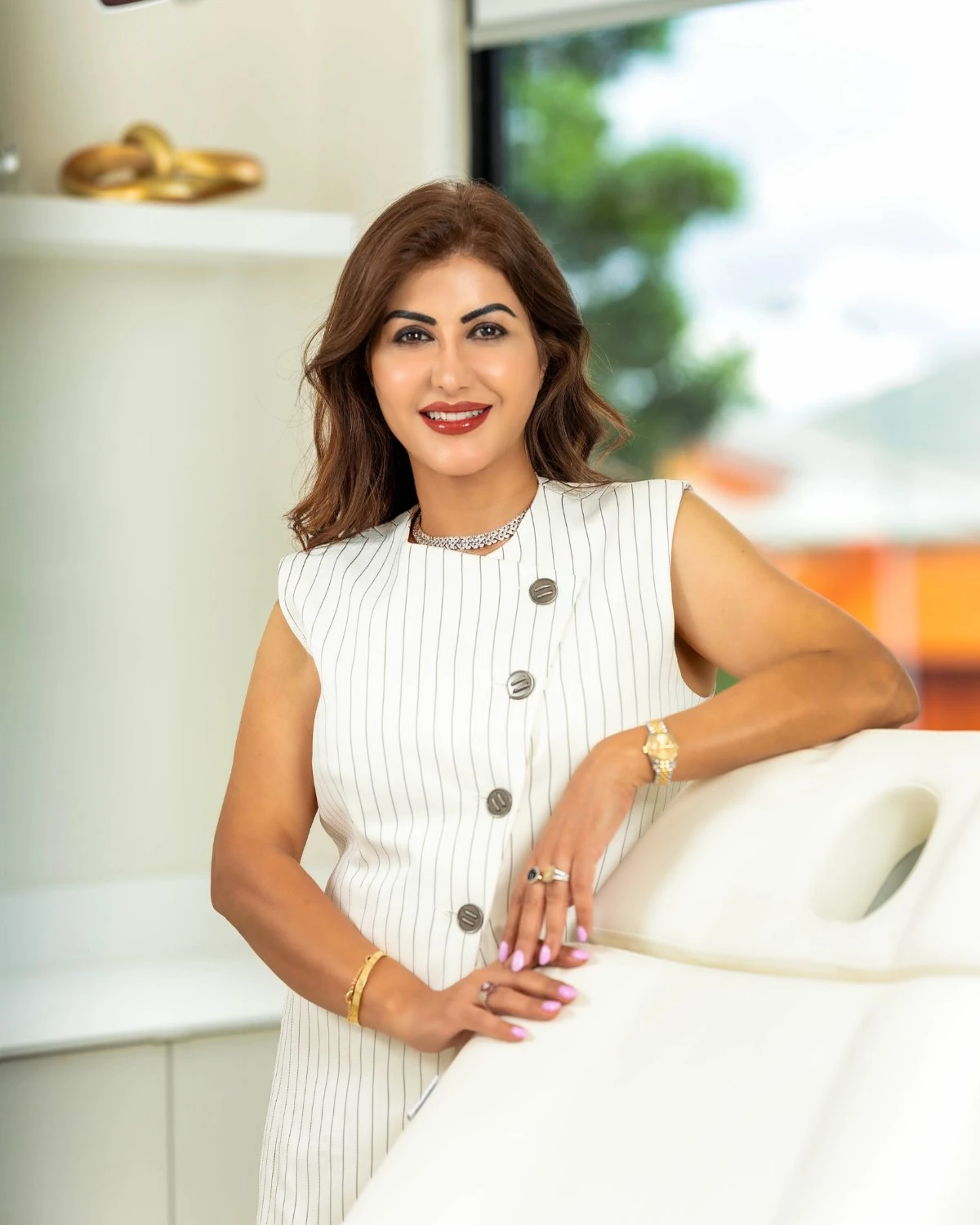
Dr Fatemeh Asadi MD, FRACGP
GP & Cosmetic Physician · Founder, Body Dezign House
Ready for a
Consultation or Treatment?
Book a time with Dr Asadi or her team at our Newstead clinic in Brisbane. New here? Begin with a consultation. Already consulted, or following a treatment plan you've discussed? Book your next session, or reach out with any other enquiry.