
Melasma is a long-term, relapsing pigmentation condition assessed and managed at Body Dezign House in Newstead, Brisbane. Care is led by Dr Fatemeh Asadi: an assessment guided by your anatomy that looks at the pattern, the depth of the pigment and the triggers, followed by a maintenance plan built around daily sun protection, gentle skincare and carefully chosen in-clinic options. Melasma is managed rather than cured. Individual results vary.
Reviewed by Dr Fatemeh Asadi, MD, FRACGP, GP & Cosmetic Physician, AHPRA MED0000975343, Newstead, Brisbane.
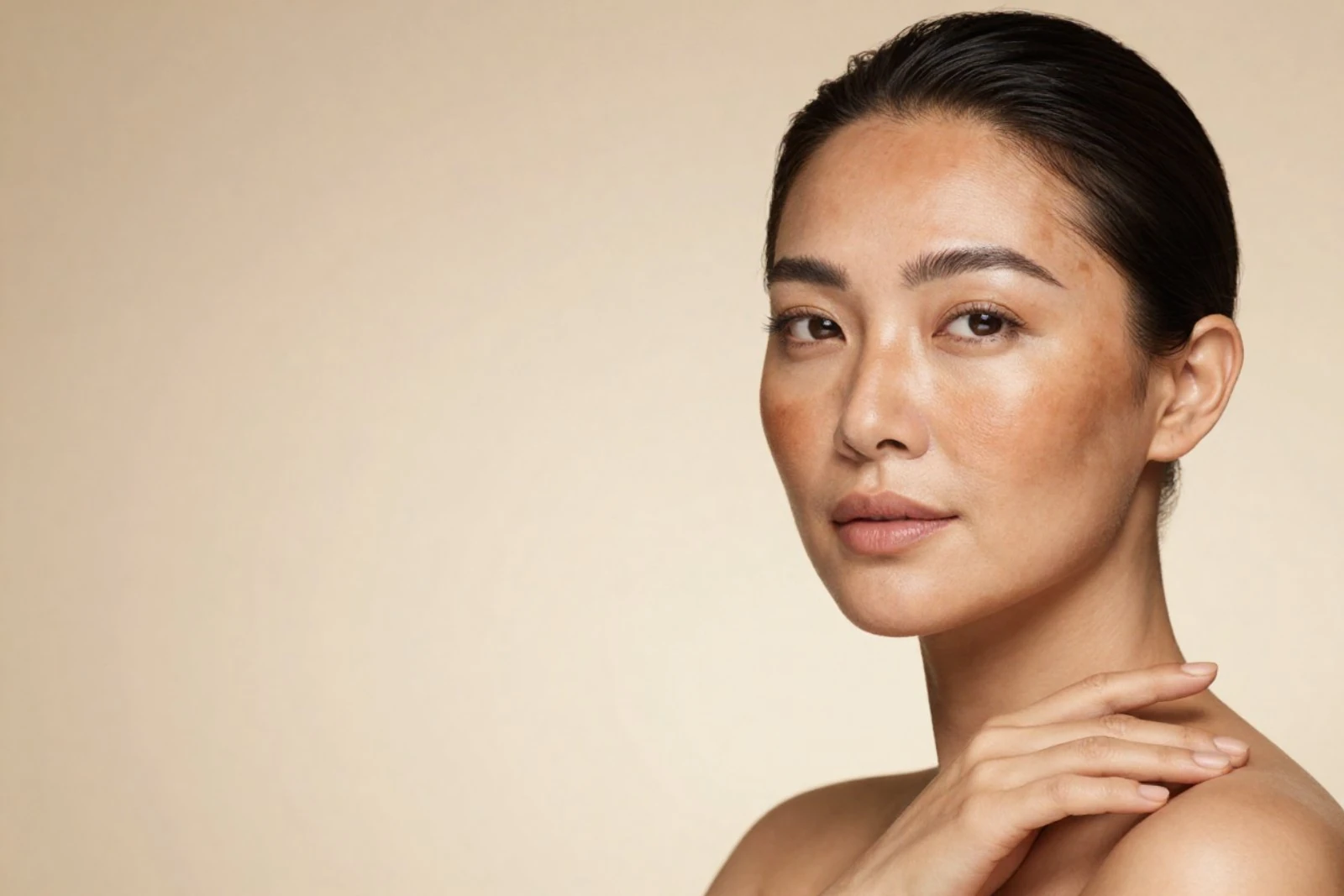
Melasma & PigmentationNewstead, Brisbane
Melasma shows up as brown patches that sit fairly evenly on both sides of the face, usually on the cheeks, forehead and upper lip. Sometimes it appears on the neck, chest or forearms. It is far more common in women, but men get it too, often after years of sun or with a hormonal change. Current guidance treats melasma as a long-term condition that settles and flares, rather than one we can cure. The goal is to calm it and keep it calm. In Brisbane, that starts with sun protection. Body Dezign House is a doctor-led clinic in Newstead, Brisbane. Every consultation here is guided by your anatomy, looks at your whole skin picture, and carries no obligation to go ahead.
Melasma is the condition that humbles every clinician who treats it. There is no cure, only careful, ongoing management. The patients who do best are the ones who learn their triggers, protect their skin every single day, and accept that this is a long-term relationship with their skin rather than a project with a defined end.Dr Fatemeh Asadi, MD, FRACGP
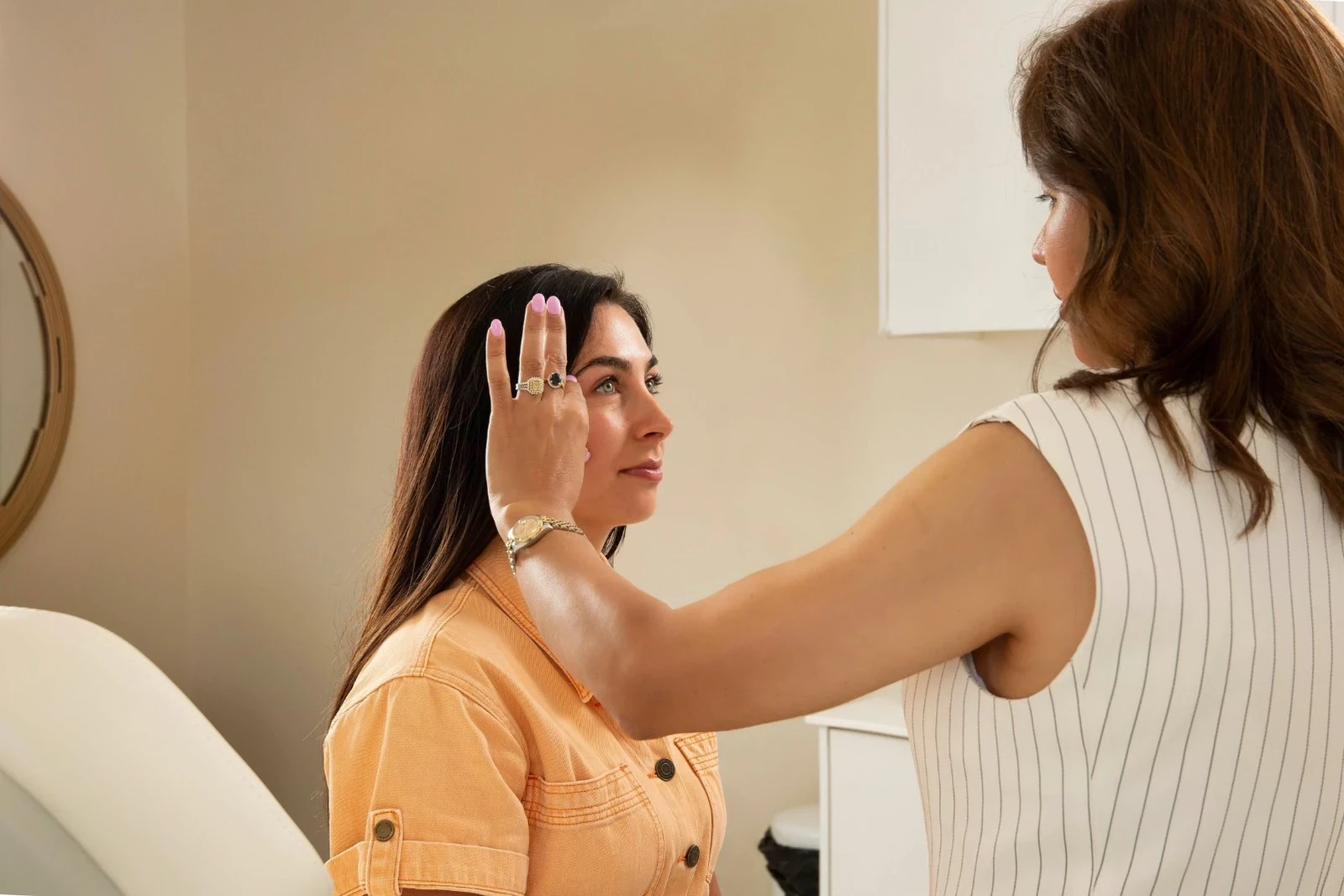
Dr Fatemeh Asadi, MD, FRACGP brings two decades in cosmetic medicine and general practice to every consultation. She is a Key Opinion Leader for Merz Aesthetics and an Official Trainer for Aptos Threads. This reflects her ongoing role in cosmetic medicine education, including attending national and international conferences, training other doctors and nurses, and contributing her clinical knowledge to the wider medical aesthetics community.
Our approach is careful and honest. We look at what is really driving your melasma. It might be sun and visible light, a hormonal change such as pregnancy or the pill, heat, a medicine that makes your skin more sensitive to light, or a mix of these. We also look at whether any treatment is genuinely right for you.
Types of Melasma
Commonly Assessed
Melasma is grouped in two ways: by its pattern (which parts of the face are affected, and whether the body is involved too) and by how deep the pigment sits. Both guide what may help and what to avoid. Body Dezign House sees melasma patients from across Brisbane for assessment and careful, gentle treatment planning.
Centrofacial
Pattern
The most common pattern. It affects the forehead, cheeks, nose and the area above the upper lip, fairly evenly on both sides of the face. This is the classic melasma that follows pregnancy or a hormonal change, and it is driven most by sunlight, visible light and heat.
Malar
Pattern
Pigment sits over the cheekbones, evenly on both sides, often with little on the forehead or upper lip. This pattern is more often linked to sun, and sometimes comes with broken capillaries (small surface veins) in the same area.
Mandibular
Pattern
Pigment along the jawline and chin. It is more common in older patients and often sits alongside sun-related skin changes in the same area.
Extrafacial
Melasma
A less common pattern, where matching brown patches appear on the neck, the V of the chest, the forearms, upper arms or shoulders. It is seen more often after menopause, and almost always in skin with a long history of sun. It tends to respond more slowly than melasma on the face.
Epidermal, Dermal
& Mixed Depth
Melasma is also grouped by how deep the pigment sits. Epidermal melasma sits in the top layer of skin, looks well-defined and dark brown, and tends to respond best to creams and gentle in-clinic options. Dermal melasma sits deeper, looks lighter brown or grey-blue with blurred edges, and is the hardest to shift. Mixed melasma combines both and is the most common form. We assess the depth in the clinic, and it guides which options suit you.
Hormonal
Melasma
Melasma set off or made worse by a hormonal change. In women that includes pregnancy (chloasma), the oral contraceptive pill, hormone replacement and IVF medicines. In men it is most often linked to testosterone therapy or a thyroid problem. We usually wait until pregnancy or breastfeeding has finished before assessing.
Melasma has taught me patience more than any other skin condition. The patches you see are pigment cells reacting to light, heat and hormones, while the skin right beside them stays calm. My job is to read your skin honestly, and to be clear about what we can lighten and what will need looking after every day for as long as you want it to stay clear. I would rather tell you that plainly than promise a cure that does not exist.Dr Fatemeh Asadi MD, FRACGP · GP & Cosmetic Physician
Your Consultation
in Brisbane
Your melasma consultation is unhurried and personal. We listen first, assess properly, and talk through the options honestly. That includes not having in-clinic treatment at all, when daily care on its own is the right answer.
Every consultation is guided by your anatomy and kept private. We talk through the risks and the alternatives in full before any treatment is considered. Risks & Complications →
Listening
Assessment
Options
Treatments We
May Discuss
Melasma care follows a clear order. First, cut down the things that cause flares: sun, visible light and heat. Second, calm the pigment with recommended skincare and treatments. Third, treat any pigment that remains with carefully chosen in-clinic steps. The treatments listed here are examples of what may be considered. They are not a treatment plan and do not mean you will need all of them. Sun protection and skincare do most of the work, and we lean towards gentle, calming approaches rather than aggressive resurfacing or strong lasers, which are known to make melasma worse. At Body Dezign House in Newstead, Brisbane, whether any option is right for you is decided at a full consultation.
Daily Sun Protection & Skincare Plan
This is the foundation of every melasma plan, and the part that holds your results over time. Around 95% of people with melasma do not get sunscreen right. For the Queensland sun, Cancer Council Australia recommends broad-spectrum SPF 50+ every morning, reapplied every two hours when you are outdoors. For melasma, current guidance goes further and recommends tinted sunscreens that contain iron oxides, because standard sunscreens block UV but not visible light, and visible light (including the blue light from screens) makes melasma worse. The simple rule for Brisbane: tinted SPF 50+, two finger-lengths to the face, twice a day, whatever the weather. Your clinician will also talk through a calming skincare routine, recommended treatments where they help, and the small daily habits around heat, screens and lifestyle that keep the condition settled.
PRX-Plus
A topical skin booster from WiQo in Italy, made for pigmentation and uneven skin tone. PRX-Plus uses a stabilised form of TCA to work in the deeper layers of the skin. It is paired with homocysteic acid, an active unique to PRX-Plus that helps even out tone and ease excess pigment, plus citric and phytic acid to brighten and protect. PRX-Plus does not make the skin visibly peel, and most people with active melasma tolerate it well, so it is a useful part of a maintenance plan.
Skin Peels
A range of medical-grade peels, and for melasma we stay firmly at the gentle, calming end. The peels we choose for melasma are not the same as those used for sun damage or acne scarring. Melasma does best with repeated, mild surface peels rather than fewer, deeper ones, because aggressive peeling can make the pigment worse. The right peel is very individual and is decided at your consultation.
Skin Needling with Serum
Medical-grade microneedling paired with carefully chosen serums, including pigment-calming and antioxidant actives, applied during and straight after the treatment. The tiny channels let these actives reach deeper than a cream can on its own. Microneedling with serum has been studied for melasma in recent years and is used more and more alongside creams. We use gentle, shallow settings at our Newstead clinic to lower the risk of a flare afterwards.
Healite II LED
Low-level light therapy used to calm inflammation, help the skin heal after peels or microneedling, and ease the redness that often comes with melasma. Because it does not create heat, LED does not trigger the kind of flare that heat can, so we often use it between treatments as a maintenance step. At our Newstead clinic, we frequently schedule Healite II between sessions to keep the skin calm.
Clear & Brilliant
A gentle laser that resurfaces the skin without removing the surface. Clear & Brilliant has two settings, and the lighter one is the one usually considered for melasma, because it works in the most surface layers and gently lifts excess pigment. In melasma, we use it on cautious settings and only as part of a wider sun-protection plan, because even gentle lasers carry a known risk of a flare afterwards. We assess carefully at consultation whether it suits you.
ALASTIN A-LUMINATE Brightening Serum®
A brightening serum we stock at the clinic, formulated to help even the look of skin tone. Melasma needs careful management, so whether any product or treatment suits you is decided at your consultation.
Dermaceutic Light Ceutic Unifying Night Cream
A unifying night cream we stock, often discussed to help even the look of skin tone.
ZO Skin Health Retinol Skin Brightener 1%
A 1% retinol brightener we stock, dispensed after a skin consultation, discussed to help even the look of skin tone.
All cosmetic procedures carry some risk and possible side effects. Melasma in particular can get worse with the wrong or overly aggressive treatment, which is why we consider suitability carefully before recommending any in-clinic step. Whether a treatment suits you, what might rule it out, and the full range of possible complications are all discussed at your consultation. Individual results vary, and no outcome can be guaranteed. Read about Risks & Complications →
A few questions
before a consultation?
If you would rather talk to our team before booking, we are happy to take a thoughtful phone call. No pressure, no obligation. Just a conversation.
Frequently
Asked
No. Current international guidance treats melasma as a long-term condition that settles and flares, rather than one we can cure. The honest goal is maintenance: lighten the pigment you can see, then keep it settled with daily sun protection, careful skincare, and the occasional in-clinic top-up. Most people get a real, lasting improvement. But the pigment cells stay reactive for life, so a flare can return whenever a trigger comes back, such as sun, heat, hormones or visible light. Individual results vary.
Melasma usually has more than one cause working at once. The three main drivers are UV and visible light (including the blue light from screens), a hormonal change (pregnancy, the oral contraceptive pill, hormone replacement, a thyroid problem), and your genes (about half of patients have a family history). Newer research shows melasma also involves changes in the skin's small blood vessels, immune cells, and the supporting tissue underneath. That is why it behaves differently from ordinary sun spots, and why aggressive treatment can make it worse. The Brisbane climate adds a strong sun and heat load on top of all of that.
Sometimes. The melasma that appears during pregnancy is called chloasma. In some women it fades over the months after birth as hormone levels settle. In many others it stays in a milder form and flares again with later pregnancies, the oral contraceptive pill, or sun. After birth is usually a good time to start a careful skincare and sun-protection plan, rather than to begin in-clinic treatments, especially while you are breastfeeding.
Yes, all of these are known triggers. In women, oestrogen and progesterone affect the pigment cells, and the oral contraceptive pill, hormone replacement and IVF medicines are among the most common hormonal triggers. In men, testosterone therapy and thyroid problems are the most common ones. If a hormonal therapy seems to be driving your melasma, the decision to continue, switch or pause is one to make with your GP or specialist, not with us. We can work alongside that decision rather than around it.
Yes, and this is one of the most important things to understand about melasma. Aggressive lasers, resurfacing, and high-energy IPL can all make melasma worse rather than better, because the heat and inflammation they create stir up the very pathways that are already overactive. Even gentler devices need careful, conservative settings, and are often used as part of a combined plan rather than on their own. At our Brisbane clinic, choosing a treatment for melasma is more about which devices to avoid than which to use.
Because the underlying biology has not changed. The pigment cells in melasma skin stay primed to react, and almost any trigger can restart pigment within days: sun, light from screens, heat, a hot shower or sauna, a hormonal shift, a light-sensitising medicine, or a harsh skincare product. This is why we treat melasma as something you manage, not a one-off cure. People who keep up daily SPF 50+, tinted protection against visible light, and a calm skincare routine usually hold their results far longer than those who only treat the pigment. Individual results vary.
Melasma is slow to shift, so patience matters. With a steady plan of daily sun protection, the right skincare, and gentle in-clinic steps, most people start to see the pigment fade over about three to six months. Pushing harder with aggressive treatment is tempting, but it tends to backfire in melasma and can make the pigment worse. Once it has settled, the focus moves to keeping it that way with everyday care. Individual results vary.
Every cosmetic procedure carries some risk. With melasma, the main concern is a flare or rebound of pigment if a treatment is too strong, along with possible redness, irritation, or, less often, pigment changes afterwards. This is why we lean towards gentle, cautious options and assess suitability carefully before recommending anything. The specific risks depend on the treatment and are explained in full at your consultation, and again on the day. You can read more on our Risks & Complications page.

Dr Fatemeh Asadi MD, FRACGP
GP & Cosmetic Physician · Founder, Body Dezign House
Ready for a
Consultation or Treatment?
Book a time with Dr Asadi or her team at our Newstead clinic in Brisbane. New here? Begin with a consultation. Already consulted, or following a treatment plan you've discussed? Book your next session, or reach out with any other enquiry.