
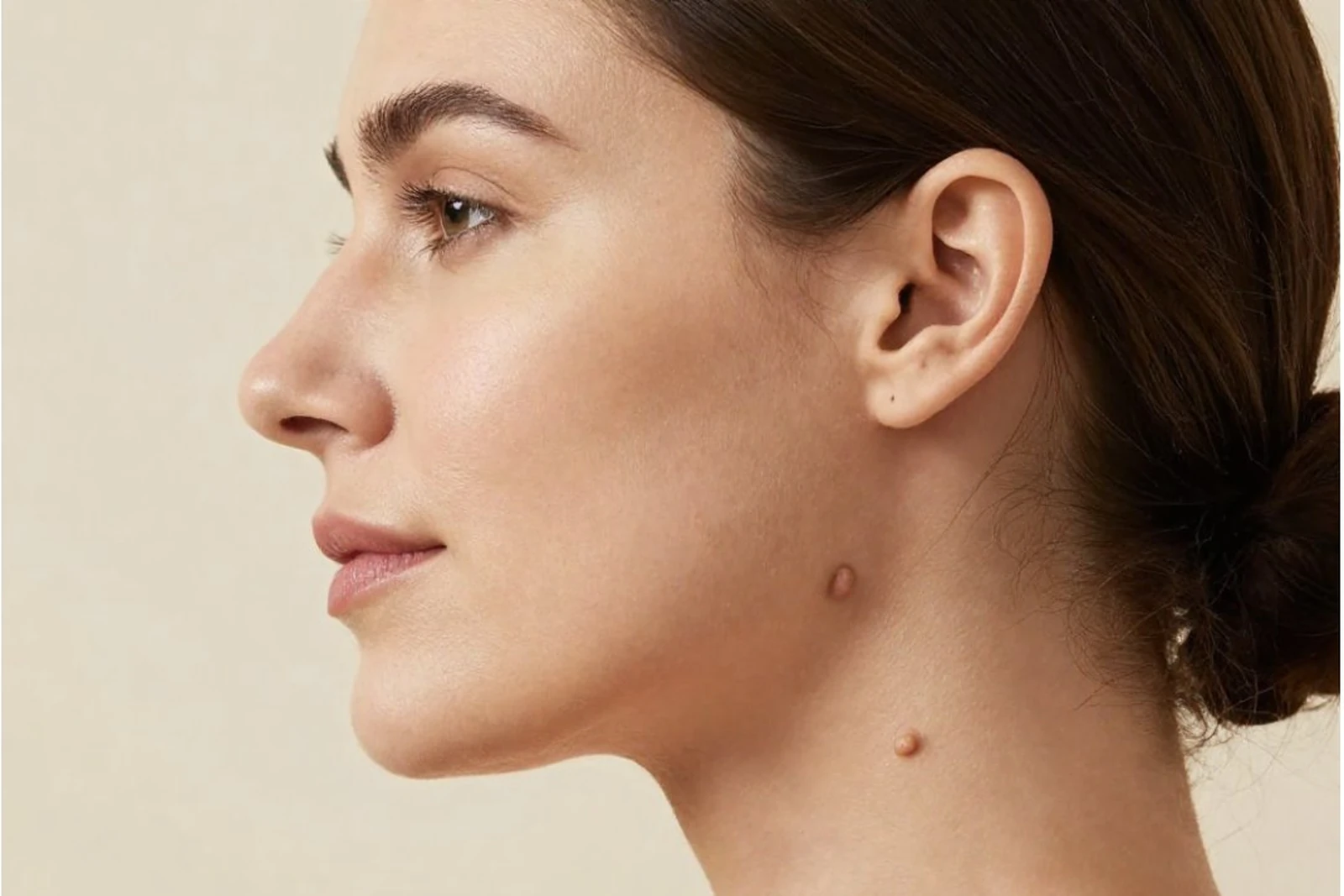
Skin Tag RemovalNewstead, Brisbane
Body Dezign House is a doctor-led clinic in Newstead, Brisbane. Skin tags are common, harmless and easy to treat. We remove them with cauterisation in a single visit, using local anaesthetic for comfort and with no real downtime. We can treat several tags at once. Every procedure is carried out or directly supervised by Dr Fatemeh Asadi, MD, FRACGP, and starts with a check to confirm the spot is suitable for cauterisation.
Most people want a skin tag removed because it catches on clothing, gets irritated, or they are simply tired of noticing it. Before any treatment, the most important step is making sure of exactly what it is. A good consultation takes the time to look at the spot properly, so the treatment is right, safe and suited to you.Dr Fatemeh Asadi, MD, FRACGP
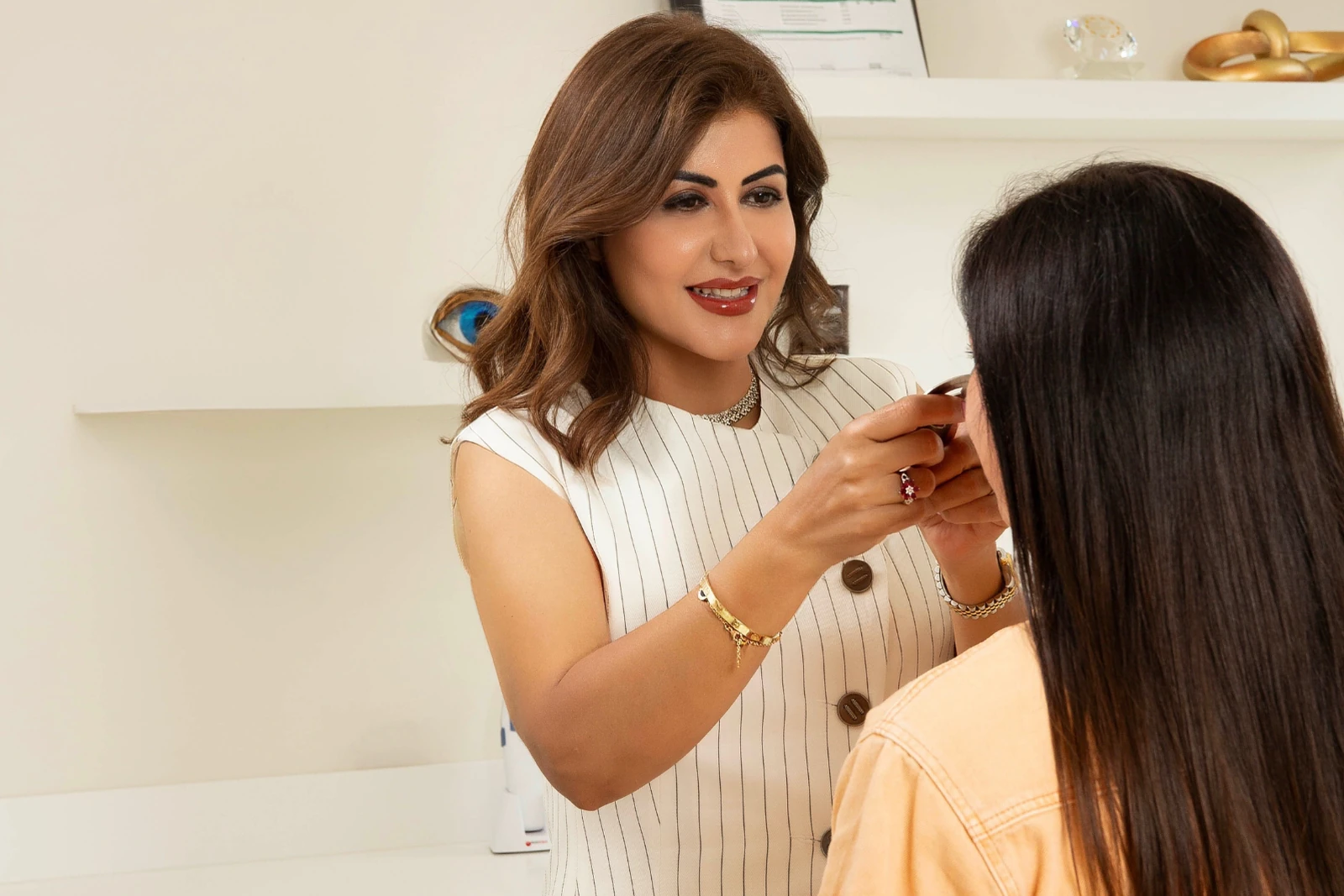
Dr Fatemeh Asadi, MD, FRACGP brings two decades in cosmetic medicine and general practice to every consultation. She is a Key Opinion Leader for Merz Aesthetics and an Official Trainer for Aptos Threads. This reflects her ongoing role in cosmetic medicine education, including attending national and international conferences, training other doctors and nurses, and contributing her clinical knowledge to the wider medical aesthetics community.
Our approach is careful and honest. We look at what is really driving your concern. It might be ongoing friction in a skin fold, your weight, an underlying health factor such as insulin resistance, a hormonal change, or a mix of these. We also look at whether any treatment is genuinely right for you.
Where Skin Tags
Commonly Appear
Skin tags form where skin rubs against skin, clothing or jewellery. At our Newstead clinic in Brisbane, we check each area on its own before treating it, to confirm the spot and choose the best approach.
Neck
& Décolletage
The neck is the most common place for skin tags, especially where collars, necklaces and scarves rub against the skin. Tags here are often the first ones people notice, and the ones they most often ask us to remove. There may be one or several, usually along the sides and back of the neck where clothing sits.
Axillae
Underarms
The underarms are the next most common spot. They are warm, a little moist, and there is constant rubbing from skin and clothing, which suits skin tags well. Tags here are often multiple and vary in size, and they can be irritated by deodorant or shaving. Cauterisation in this area is straightforward and easy to tolerate.
Eyelids
& Around the Eyes
Skin tags on the eyelids and the area around the eyes need extra care and precision. We assess this area carefully before discussing any treatment, as it calls for specific technique and judgement.
Groin
& Inner Thighs
The groin and inner thighs are common spots, because the skin rubs together constantly as you move. Tags here can be quite irritating against clothing and during activity. They respond well to cauterisation. We also check for anything that can look similar, such as warts or a harmless growth called a seborrhoeic keratosis, which may need a different approach.
Under Breasts
& Body Folds
The fold under the breasts is a steady spot for skin tags, thanks to the warm, moist, skin-on-skin setting and constant movement. Other body folds, like the waistline, the tummy and the back, can develop them too wherever there is ongoing friction. These areas can hold several tags of different sizes, and treating a few in one session is both practical and comfortable with local anaesthetic. While we are here, we also look at the surrounding skin for darker, velvety patches called acanthosis nigricans. These can sometimes go with multiple skin tags and may be worth reviewing with your GP.
Back
& Other Areas
Skin tags can also appear on the back and anywhere clothing rubs regularly. Any spot you can reach, with a clear skin tag on a stalk, can usually be assessed for cauterisation at your consultation.
Most people want a skin tag removed because it catches on clothing, gets irritated, or they are simply tired of noticing it. Before any treatment, the most important step is making sure of exactly what it is. A good consultation takes the time to look at the spot properly, so the treatment is right, safe and suited to you.Dr Fatemeh Asadi MD, FRACGP · GP & Cosmetic Physician
Your Consultation
in Brisbane
Your consultation at our Brisbane clinic starts with a conversation about your concerns and what you would like to achieve. We review your medical history, carefully assess the skin tag and the surrounding skin, and use VISIA skin analysis where appropriate to gain a better understanding of your skin's condition. We then explain our findings, discuss the treatment options that may be suitable for you, and answer your questions so you have a clear understanding of the benefits, possible risks, and alternatives before deciding whether to proceed. Risks & Complications →
Listening
Assessment
Procedure
Skin Tag Removal
by Cauterisation
At Body Dezign House in Newstead, Brisbane we remove skin tags with cauterisation. It is a precise, efficient and well-tolerated method that lets us treat several tags in one session. Every procedure is carried out or directly supervised by Dr Fatemeh Asadi, MD, FRACGP.
Skin Tag Removal by Electrocauterisation
We put local anaesthetic at the base of each tag to numb the area first. The device then sends a short, controlled burst of heat into the stalk, which removes the tag and seals the spot at the same time. Each tag takes only seconds. Over the next few days the treated tag dries, shrivels and drops off as the skin heals beneath it. A small scab forms and clears within one to two weeks. We treat several tags in one session, which is the usual approach when there are a few. There is no real downtime, and most people get back to their normal day the same day.
Post-Procedure Care
Keep the treated areas clean and dry for the first few days. Try not to pick, rub or scratch them while they heal. Only use products we have recommended on the healing skin. Once the skin has healed, apply a broad-spectrum SPF 50+ sunscreen to those areas to lower the chance of darkening, which matters in the Queensland sun. We give you full aftercare instructions at your appointment in our Newstead, Brisbane clinic. If a treated spot shows signs of infection, such as growing redness, warmth, discharge or pain after the first 48 hours, contact the clinic or your GP promptly.
All procedures carry some risk, including bruising, scarring, changes in skin colour, infection and an outcome you are not happy with. We talk through all of this at your consultation, and you can read more on our Risks & Complications page.
A few questions
before booking skin tag removal?
If you would rather talk to our team before booking, you are welcome to call our Brisbane clinic. No pressure, no obligation. Just a conversation.
Frequently
Asked
Skin tags, or acrochordons, are common, soft little growths of skin. They sit on a thin stalk and are usually skin-coloured or a touch darker, often 2 to 5 millimetres across. They are harmless and do not turn into anything serious. Even so, it is worth having any spot checked before it is removed, because warts, moles and a harmless growth called a seborrhoeic keratosis can look very similar.
Skin tags tend to form where skin rubs against skin, clothing or jewellery over time, especially in the body's natural folds and creases. Several things make them more likely: getting older, carrying extra weight, insulin resistance, type 2 diabetes, metabolic syndrome and polycystic ovarian syndrome. Pregnancy can bring them on too, and they often run in families. If you notice lots of new tags appearing quickly, it can be worth a general health check with your GP.
We use cauterisation, which works with gentle, controlled heat. First we numb the skin at the base of each tag with a small amount of local anaesthetic. The device then treats the stalk, which removes the tag and seals the spot at the same time. The tag dries up and drops off over the next few days. We can treat several tags in the one visit. Every procedure is carried out or directly supervised by Dr Fatemeh Asadi.
Because we numb each tag first, the cauterisation itself is generally not painful. The numbing stings for a moment and then settles. Afterwards the treated spots can feel a little tender or sore for a day or two, much like a minor graze. Most people cope with it easily and get straight back to their normal day.
The treated tag dries and falls away within a few days. A small scab forms where it was, and this usually heals over one to two weeks, depending on the spot and how big the tag was. Keep the area protected from the sun while it heals, as this lowers the chance of any darkening of the skin.
Once a tag has been treated, that one will not grow back. New tags can still appear nearby or elsewhere over time if the things that cause them, like friction and weight, stay the same. That is simply how the skin behaves, not a sign the treatment did not work. People who get skin tags easily may find new ones over the years and come back for another quick session. Individual results vary.
All procedures carry risks including bruising, swelling, infection, scarring, pigmentation change at the treated site, and unsatisfactory cosmetic outcome. Specific risks depend on the area treated, the size of the skin tag and individual healing factors, and are explained in full at consultation. Full information is available on our Risks & Complications page.

Dr Fatemeh Asadi MD, FRACGP
GP & Cosmetic Physician · Founder, Body Dezign House
Ready for a
Consultation or Treatment?
Book a time with Dr Asadi or her team at our Newstead clinic in Brisbane. New here? Begin with a consultation. Already consulted, or following a treatment plan you've discussed? Book your next session, or reach out with any other enquiry.